All Categories
Featured

Streamlining Business Workflow Performance GCC Scaling
Table of Contents
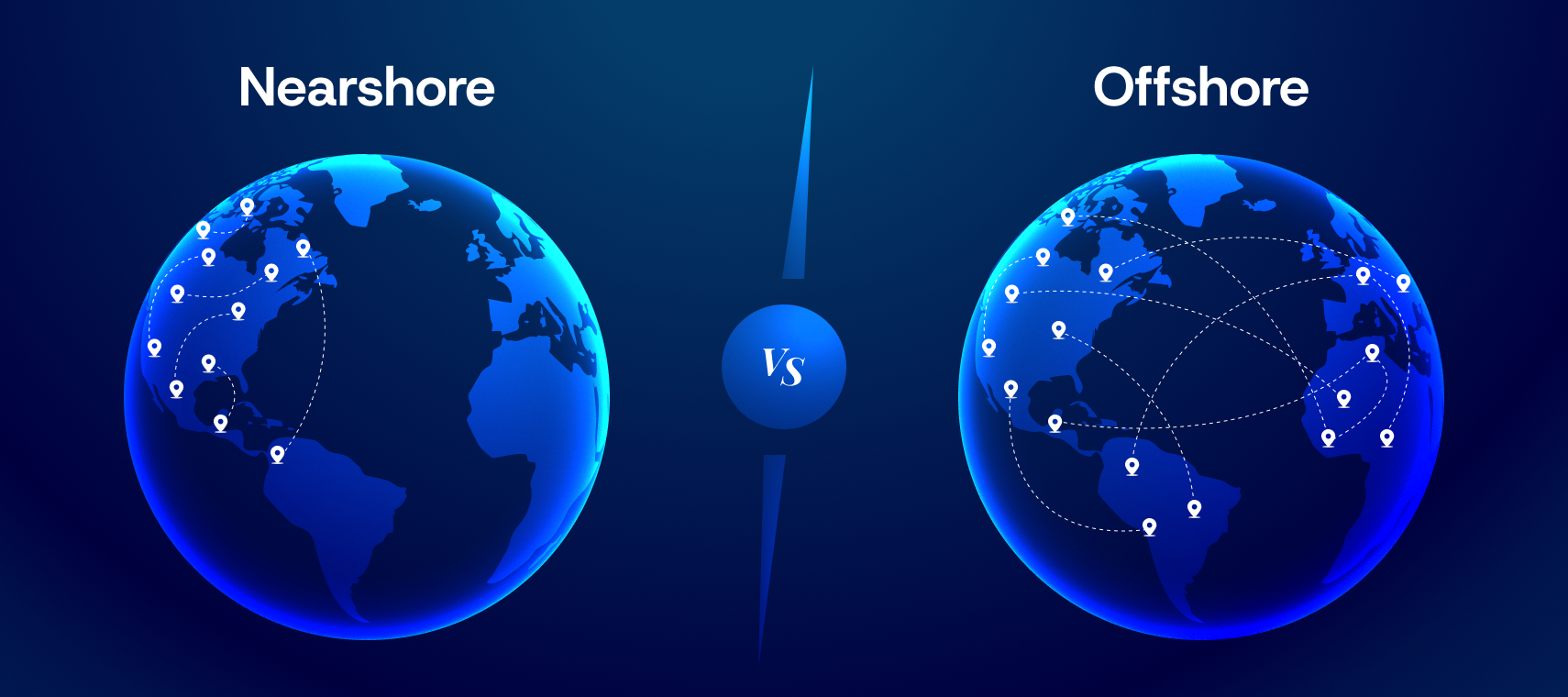
Working with a marketing team abroad used to be a basic cost choice. In 2026, it is not. Nearshore and overseas models have diverged significantly in how they carry out, what they cost, and what sort of work they handle well. This guide breaks down the genuine distinctions so you can choose the ideal design before you commit to a structure that slows you down.
For U.S. business, that normally means LATAM. Work takes place in genuine time, partnership is simultaneous, and cultural positioning tends to be more powerful. Offshore marketing indicates working with throughout a considerable time difference, typically eight or more hours. Work is generally asynchronous, execution-focused, and structured around handoffs rather than live partnership. The distinction matters due to the fact that it alters how you brief, review, and iterate on marketing work daily.
Future of the GCC America Strategy in 2026LATAM nearshore skill offers English efficiency, strong cultural positioning with U.S. markets, and protection across SEO, content, paid media, and brand name strategy, making it a natural fit for U.S
An offshore marketing team provides depth and performance at scale. Done right, offshore manages production while nearshore leads method and iteration.
Future of the GCC America Strategy in 2026marketsVaries significantlyCost vs. U.S. hire40-60% lower60-75% lowerBest forBrand, strategy, iterationScale, production, volume Nearshore groups work your hours, which accelerates approvals, creative pivots, and live efficiency triage. Offshore groups execute well but count on prepared syncs and paperwork. Lots of online marketers pair nearshore for collaboration-heavy deal with offshore for overnight production sprints.
Establish Scalable Global Offices for Minimize Risk
Offshore teams bring fresh viewpoints and scale however need more upfront brand name onboarding. In either case, playbooks and tone guidelines close most gaps. Offshore rates are typically lower, which extends spending plans for multi-channel programs. Nearshore expenses more but the overlap decreases rework and speeds approvals, offsetting spend in fast-moving environments. For lots of U.S.
Pick nearshore when your marketing moves quick and you need people who can leap on a call, turn around a modification, and decide the same day. If you are running test-and-learn projects, launching into new markets, or building brand name in genuine time, nearshore is the best call. Pick offshore when your procedures are recorded, your briefs are tight, and you need volume at the most affordable possible cost.
Which roles write or speak in your brand voice directly, and which work behind the scenes on data and tooling? What budget plan and working with flexibility do we need over the next two quarters? Scale Army sources, veterinarians, and places junior-to-senior skill aligned to U.S.
Most clients the majority of customers within prospects week and make a hire within 14 days, at 40 to 70 percent below U.S. listed below costs.
Scaling a GCC Framework Within America
Advantages and disadvantages of nearshore outsourcing Why nearshore works Real-time collaboration is the default, not a workaround Many software operate in 2026 is constructed around multidisciplinary Agile groups running on cooperation, model, and brief feedback loops. Shared workday hours are not a nice-to-have for this style of work, they're the underlying condition that makes it function at all.
The talent pool keeps growing Latin America's engineering skill swimming pool has grown materially quicker than the comparable onshore market over the last five years. Costa Rica, Colombia, Argentina, Mexico, Brazil, and Chile have all constructed deep benches of senior engineers, and the supply continues to outpace U.S. development in the very same skill classifications.
Nearshore has those conditions integrated. A conventional 812 person nearshore group running GenDD becomes a 3-person Pod delivering the very same work.
Travel is truly manageable A flight from Atlanta to San Jos, Costa Rica is shorter than a flight to San Jose, California. Same-day big salami are sensible from the majority of U.S. hub airports. This matters less than it utilized to in a post-pandemic world, but when in-person work is needed, the friction is low.
Some overseas engagements deliver real cost savings if the workload tolerates async-first partnership. The honest comparison includes the coordination tax and quality difference that come with the overseas rate, but the rate is genuine. Language and culture are close, not similar English efficiency is strong across senior LATAM talent, but it is a 2nd language.

Latest Posts

Navigating International Workforce Law Changes in 2026
Managing Current Legal Risks in Global Labor Hubs

Legal Best Practices When Managing Offshore Labor Laws